
Xander Schwarz · 9 October 2026
Adapting Specialized Analytics Frameworks for Sustainable Solo Digital Projects
Specialized analytics frameworks provide structured approaches for collecting, processing, and interpreting data in digital environments, and solo operators adapt these systems to fit projects that operate without large teams or extensive budgets. Data from the European Commission shows that privacy regulations continue to shape how frameworks handle user information across independent websites and applications, which forces adjustments in data collection methods while maintaining operational efficiency through October 2026 and beyond.
Selecting Core Framework Components
Observers note that successful adaptation starts when individuals evaluate frameworks such as those built around modular data pipelines and customizable reporting modules rather than full enterprise suites, and this selection process accounts for factors like integration ease with existing tools and scalability limits that match single-person workloads. Research indicates platforms offering API access and open-source options allow solo operators to incorporate only necessary functions, which reduces overhead while supporting core metrics tracking for traffic sources, user engagement patterns, and conversion events.
Those who have examined case studies from independent digital ventures find that frameworks emphasizing automation scripts handle routine data pulls and alerts, which frees time for strategic decisions instead of manual monitoring, and this approach aligns with sustainability goals by preventing resource depletion over extended periods.
Customization for Resource Constraints
Experts have observed that customization involves stripping down complex modules to focus on essential data points, while incorporating lightweight scripting languages that run on standard hardware without additional server costs. Studies from the Australian Bureau of Statistics reveal patterns in small business digital adoption where tailored analytics setups correlate with consistent performance tracking despite limited staff, and these adaptations often include scheduled batch processing to manage data volume spikes during peak activity periods.
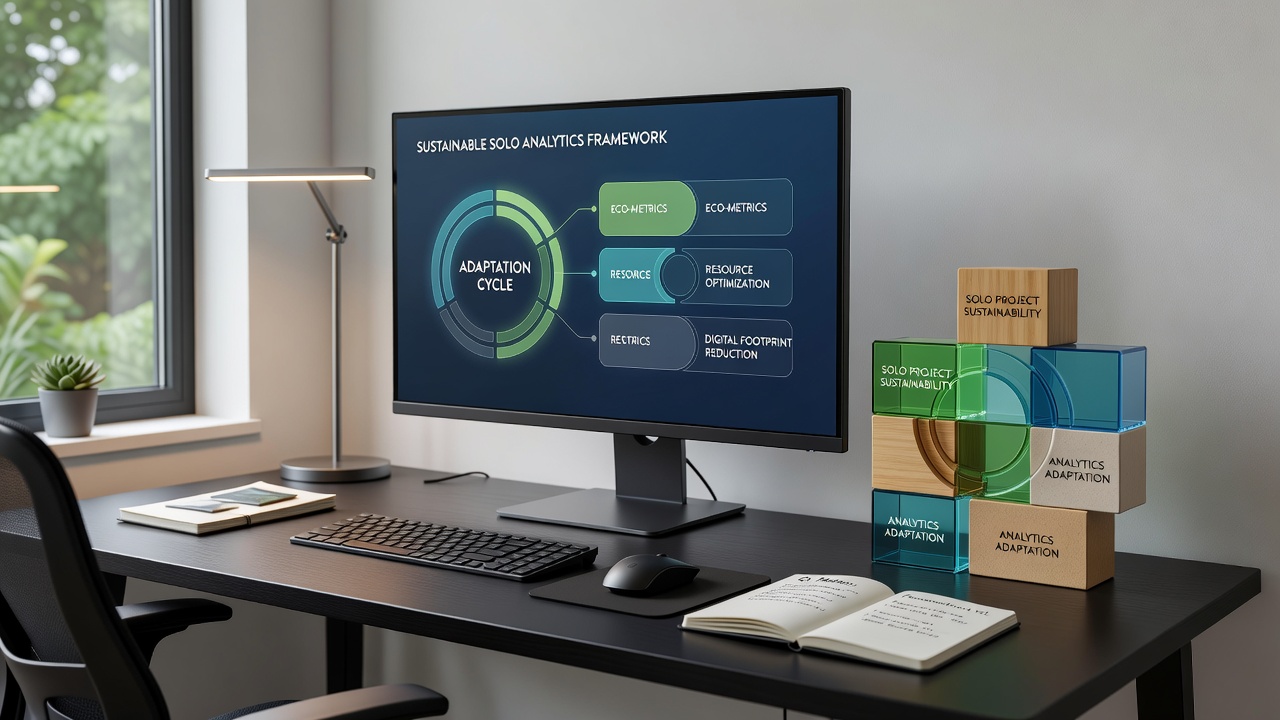
People often discover that adding conditional logic to reports helps prioritize insights relevant to their specific niche, whereas generic outputs get filtered out automatically, and such refinements keep the framework responsive without constant oversight. Data shows that integrating these elements early prevents later overhauls, since the initial setup phase determines long-term maintenance demands in solo contexts.
Maintaining Long-Term Viability
Researchers discovered that sustainability emerges when frameworks receive periodic reviews for compatibility with evolving data standards, and operators schedule these checks quarterly to address shifts in platform policies or regulatory requirements. Evidence from OECD digital economy reports highlights how independent projects benefit from frameworks that support export functions and backup protocols, which safeguard accumulated data against loss and support continuity even during transitions in tools or hosting environments.
What's interesting is the role of community-driven extensions in extending framework life, as users contribute plugins that address niche needs without requiring paid upgrades, and this collaborative layer adds resilience to otherwise isolated operations. Those who've studied this know that balancing data depth with processing speed remains key, since overly ambitious tracking can strain limited bandwidth and lead to incomplete datasets over time.
Integration with Broader Digital Operations
One study revealed that linking analytics frameworks to content management systems and email tools creates seamless data flows, whereas siloed setups demand extra manual transfers that increase error risks. Observers note examples where solo projects use these connections to correlate marketing efforts directly with outcome metrics, which supports informed adjustments without external consultants. And data indicates this integrated method contributes to steady project growth by providing clear visibility into return on time invested across various channels.
Conclusion
Adapting specialized analytics frameworks for sustainable solo digital projects centers on deliberate choices in selection, customization, and ongoing maintenance that align with individual capacity limits, and these practices draw from established data practices documented across multiple regions. The result supports consistent project operation through changing conditions, including those anticipated around October 2026, while preserving focus on core objectives without unnecessary complexity.