
Tina Russell · 11 September 2026
Strategies for Cultivating Reliable Backlink Networks in Solo-Run Digital Projects
Those managing solo digital projects face distinct challenges when building backlink networks that support consistent search visibility. Data from industry analyses indicate that backlinks from authoritative and relevant domains continue to influence ranking algorithms, while isolated link building efforts often yield limited results. Observers note that effective networks emerge through sustained relationship cultivation rather than isolated outreach campaigns, and this pattern holds across various project types as of September 2026.
Identifying Quality Link Sources
Researchers have documented that backlinks from sites with established topical authority deliver measurable improvements in domain metrics over time. Solo operators frequently examine domain authority scores alongside relevance indicators, and they cross-reference these factors with traffic quality data before pursuing connections. Studies reveal that links embedded within editorial content tend to outperform those placed in sidebars or footers, whereas directories and low-value aggregators show declining influence in recent algorithm iterations.
People running independent sites often compile lists of potential partners by analyzing competitor backlink profiles, and this method surfaces opportunities that align with existing content themes. Evidence suggests that government and educational domains provide stable signals when acquired through legitimate contributions, while industry association sites offer additional pathways for targeted projects.
Developing Content That Attracts Links Naturally
Content that addresses specific gaps in existing resources tends to draw inbound links without direct solicitation. Those who study link acquisition patterns observe that original research, comprehensive guides, and data visualizations generate shares across relevant communities, and this organic distribution builds network strength incrementally. Figures from multiple SEO platforms show that pages updated regularly maintain higher link acquisition rates compared with static resources.
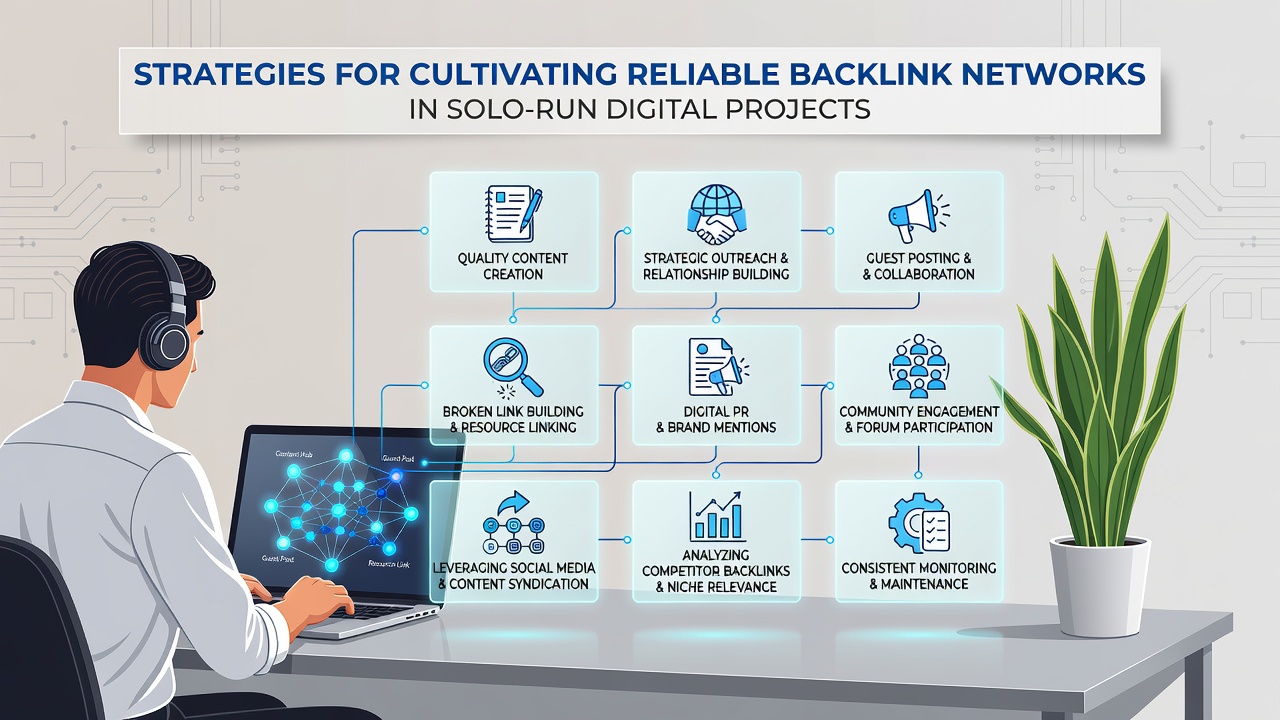
What's interesting is how case studies demonstrate that repurposing core data into multiple formats extends reach, and this approach allows a single research effort to support several link opportunities. Academic sources confirm that multimedia elements within long-form content correlate with increased external references, while clear citation practices encourage proper attribution that strengthens network integrity.
Building and Maintaining Professional Relationships
Relationship development forms the foundation of durable backlink networks according to multiple practitioner reports. Solo project operators who participate consistently in industry forums and contribute guest insights establish recognition that leads to reciprocal links over extended periods. Data shows that personalized outreach referencing specific content on target sites achieves higher response rates than generic templates, and follow-up communications sustain momentum when initial contacts receive no immediate reply.
Yet the process requires ongoing attention because link placements can change as partner sites evolve their structures. Those tracking network health use monitoring tools to detect shifts in link status, and they address broken connections through updated outreach that offers replacement content. Evidence from longitudinal studies indicates that diversified source types reduce risk associated with any single domain's policy changes.
Monitoring Network Performance and Algorithm Alignment
Regular assessment of backlink profiles helps identify both opportunities and potential issues before they affect rankings. Analytics platforms provide metrics on link velocity, anchor text distribution, and referring domain quality, and these measurements allow operators to adjust strategies in response to observed patterns. As of September 2026, search engine documentation continues to emphasize relevance and user value as primary considerations in link evaluation.
One study revealed that networks built through gradual accumulation demonstrate greater resilience during algorithm updates than those assembled rapidly through paid or manipulative methods. Observers note that maintaining transparency in link acquisition practices aligns with published guidelines from major engines, while deviations often trigger manual reviews that disrupt project momentum.
Conclusion
Building reliable backlink networks in solo-run digital projects relies on consistent application of quality-focused tactics integrated with relationship management and performance tracking. Research indicates that combining content value with targeted outreach produces networks capable of supporting sustained visibility, and adaptation to evolving standards remains essential for long-term outcomes. Those applying these approaches report measurable progress when efforts remain systematic and data-informed rather than opportunistic.